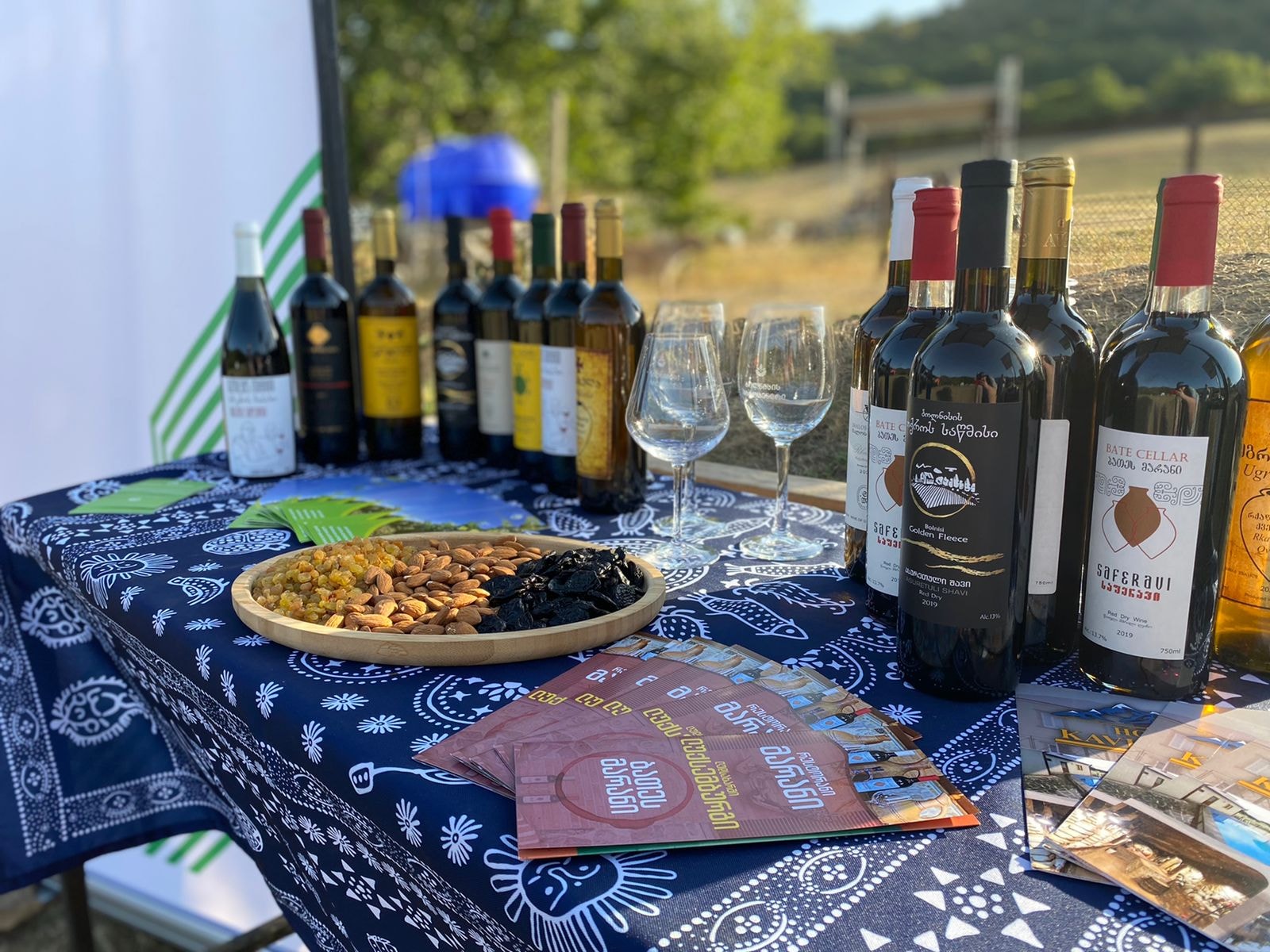
Starting February 1, 2027, digital labeling of wine will become mandatory in Georgia — a multi-level system of protection against counterfeiting, comparable in its operating principle to the protection of banknotes and passports. It will make it possible to combat product falsification, and allow consumers to verify the authenticity of the beverage using a smartphone. The new labeling rules have already been approved by the Ministry of Environmental Protection and Agriculture, reports bm.ge.
The main innovation is a three-level protection system for each brand. It will include a visible element with the design symbol of the National Wine Agency, a hidden element that can only be read with special equipment, and a forensic mark. The latter will allow experts to establish the authenticity of a brand when investigating possible cases of falsification, including through chemical or molecular analysis.
The labels will be made from a self-destructing material: if an attempt is made to peel off the sticker and transfer it to another bottle, the protective elements must be irreversibly damaged.
The requirement will apply not only to bottled wine but also to bulk wine. In the latter case, tanks and stationary containers in which the product is stored or transported will be labeled.
Each label will carry a QR code. After scanning it with a smartphone, the consumer will be able to obtain information about the beverage:
Producers will be able to submit applications for labels through an electronic system. The Wine Agency must review an application within two working days, and the issuance of protective elements will take no more than five days.
Data on the movement of each label will be stored in an electronic database for at least five years. This will make it possible to track the movement of labeling elements and verify their status.
The final cost of labeling must be approved by the authorities before February 1, 2027. According to preliminary estimates, it will amount to about 10 tetri per bottle. For small wineries and traditional cellars — marani — the Ministry of Agriculture promises to provide a preferential tariff.
This website uses cookies so that we can provide you with the best service. Cookie information is stored in your browser and performs functions such as recognizing you when you return to our website and helping our team understand which sections of the website you find most interesting and useful.
Strictly necessary cookies must always be enabled so that we can save your cookie settings preferences.