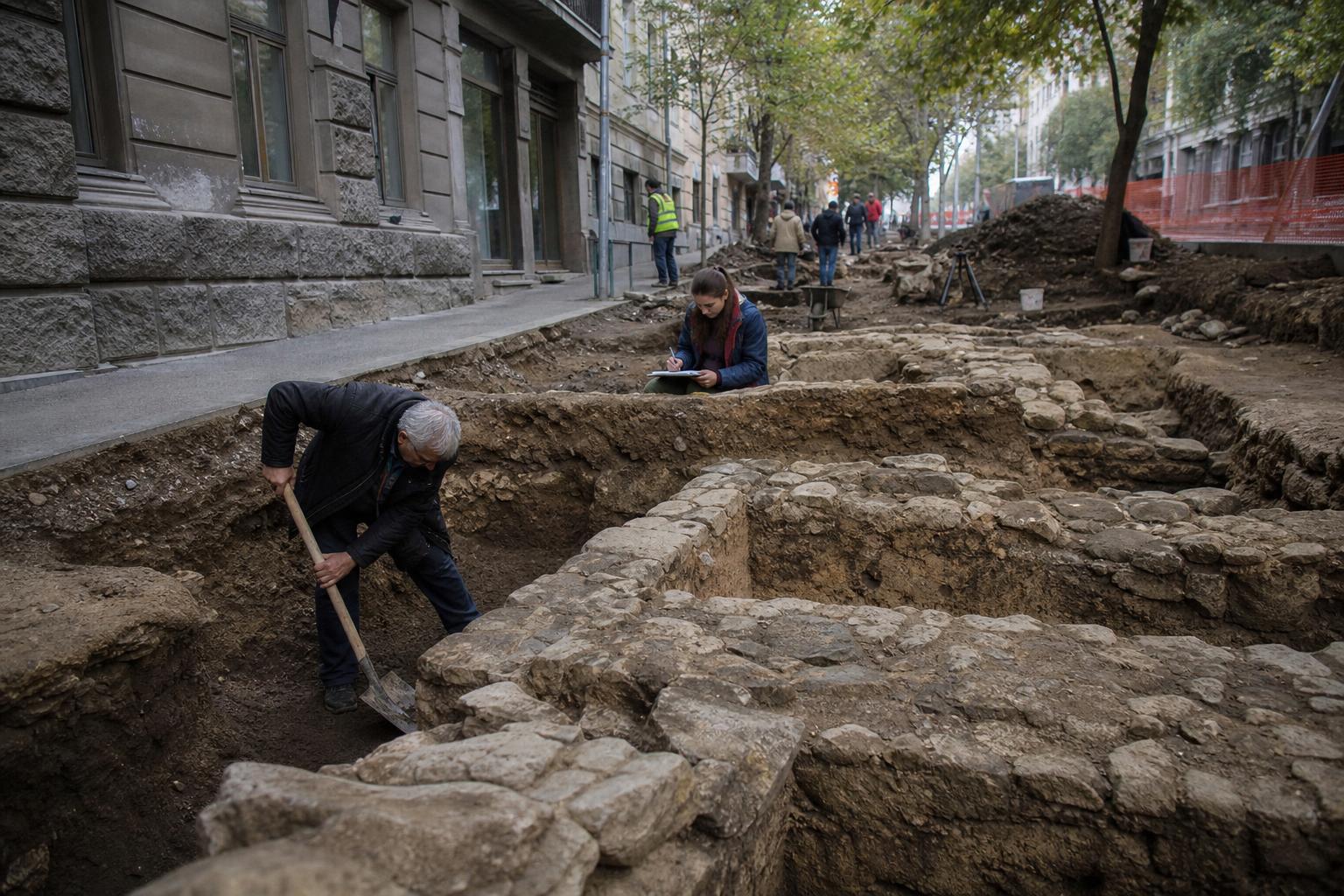
Tbilisi is a city that enchants every traveler with its rich historical heritage often hiding astonishing artifacts beneath its soil. Recently, Rustaveli Avenue, the main artery of the capital, revealed a new archaeological treasure that transports us to the medieval times. These discoveries not only decorate museum collections but also inspire history and culture enthusiasts from around the world.
Unique ceramic vessels and traces of an ancient pottery workshop are dated back to the 10th–12th centuries. Archaeological work near the Georgian National Museum and the Youth Palace unveiled fragments of everyday life in Tbilisi during a time when the city was under Arab influence. Leading the excavations, renowned scientist Merab Dzneladze points out these finds provide us with valuable insights into ancient city life. Participation of students and specialists from the Georgian Technical University underscores the educational value and importance of the historical legacy hidden within Tbilisi’s soil.
Every find, whether a piece of pottery or a complete clay vessel, holds the secrets and tales of people who inhabited the land long before our time. These artifacts bear witness to Georgia’s long and rich history, a crossroads of East and West. Such a discovery is a living example of the cultural blend, influencing our contemporary understanding of the region's history.
The incredible discoveries on Rustaveli Avenue inspire not only scholars but also travelers. Tbilisi's history, cultural heritage, and the medieval artifacts found in the heart of the city promise unforgettable impressions to anyone who decides to dive into this atmosphere and explore Georgia’s legacy with their own eyes.
Feel the breath of time and discover the untold secrets of ancient Tbilisi. Plan your journey with the YourGeorgia.travel route planner to witness the amazing stories waiting to be unveiled through the ages.