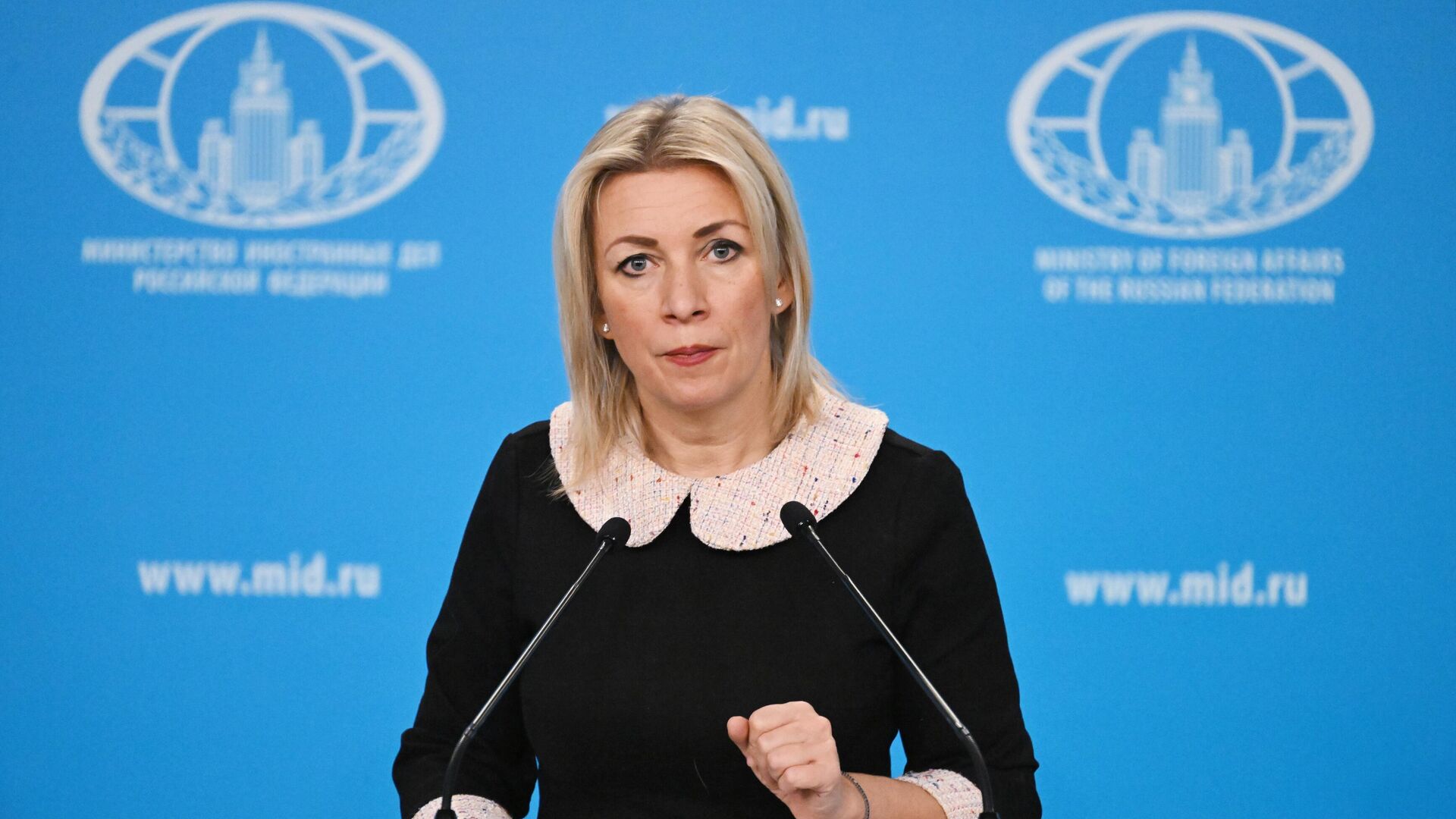
Ложные сигналы в Грузии 9 мая пытались переписать историю и нивелировать важность Дня Победы, заявила официальный представитель МИД России Мария Захарова на брифинге в Чеверге.
«Интересно, какие звонки были сделаны по ситуации в Грузии, какое юридическое отношение к Дню Победы было выражено. Какое «полузабвение» этого праздника, переписывание истории. Вы понимаете? Как, что, кто сделал эти звонки, какое юридическое толкование, и сколько звонков было сделано, и какое «нейтрализование» было. И какой смысл — я считаю, это прямое оскорбление Грузии, грузинскому народу — что не разрешается праздновать и почитать память», — сказала Захарова.
С участием высокопоставленного чиновника было предложено рассмотреть 9 мая в Грузии как «двухдневный праздник».
Грузия осудила ложные звонки 9 мая.
Министерство внутренних дел Грузии заявило, что ложные звонки были частью дезинформационной кампании, направленной на дестабилизацию страны во время празднования Дня Победы.
Fake calls in Georgia on May 9 attempted to rewrite history and diminish the importance of Victory Day, an official from Russia's Foreign Ministry, Maria Zakharova, said during a briefing in Cheverga.
"I wonder what kind of calls were made to Georgia's situation, what kind of legal attitude to Victory Day was expressed. What kind of 'half-forgetting' of this holiday, rewriting history. Do you understand? How, what, who made these calls, what kind of legal interpretation, and how many calls were made, and what kind of 'neutralization' was there. And what is the point — I believe this is a direct insult to Georgia, the Georgian people — that it is not allowed to celebrate and honor the memory," Zakharova said.
With the participation of a highly ranked official, it was proposed to consider May 9 in Georgia as a "two-day holiday."
Georgia condemned the fake calls on May 9.
The Ministry of Internal Affairs of Georgia stated that the fake calls were part of a disinformation campaign aimed at destabilizing the country during the Victory Day celebrations.