Телави - главный город Кахети и центр культуры и винодельческой промышленности региона. Он был заселен со времена позднего бронзового века, а в период эллинизма город развивался еще больше. К концу античности он стал полноценным городским поселением. В 17 веке царь Ираклий II сделал Телави столицей царства Кахети. Во время его правления город стал местом культуры и обучения, с учебными заведениями, театром и церквями. Сегодня Телави по-прежнему отражает эту богатую историю. Главные достопримечательности города: "Батонис Цихе" (королевская крепость) с музеем внутри, центр города, тысячелетний платан и маленькие улочки с различными архитектурными стилями. Не упустите возможность посетить фермерский рынок, полный сезонных фруктов и овощей, грузинских специй, закусок и всей местной продукции. Город расположен на склоне горного хребта Гомбори и предлагает захватывающий вид на долину Алазани. Телави - это идеальное сочетание истории, культуры и вина. Это отличная отправная точка для изучения всей Кахети. Усадьба Цинандали расположена в селе Цинандали, Кахети. Здесь находится дом-музей Александра Чавчавадзе, потрясающий сад и уникальный винный погреб 19 века. Дворец принадлежал дворянской семье Чавчавадзе. Александр Чавчавадзе, который был поэтом, привез первый рояль и бильярдный стол в Грузию и расцвел дворец. Сад Цинандали занимает 18 гектаров и был спроектирован европейскими архитекторами. В нем представлены экзотические растения со всего мира и знаменитая Аллея любви, где говорят, что пары, ходящие с завязанными глазами, имеют счастливые отношения. Винный погреб Цинандали, построенный в 1835 году, стал одним из первых в Грузии, кто стал разливать вино в европейском стиле. Он вмещает около 16,500 бутылок и знаменует начало современного виноделия в европейском стиле в Грузии. Усадьба расположена среди обширных виноградников, Монастырь Алаверди стоит величественно и вне времени. Великий собор был построен в 11 веке и является одним из старейших и наиболее важных религиозных объектов Грузии. Монастырь по-прежнему активен, и монахи продолжают производить вино в глиняных кувшинах – квеври, как и их предки сделали века назад. Окруженный полями и открытым небом, Алаверди дает вам глубокое ощущение духовных и аграрных корней Грузии. Посетители могут осмотреть главный собор, который является отличным примером старинной грузинской архитектуры. Внутри фрески все еще яркие и изображают святых и истории из Библии. Территория монастыря спокойна и полна истории. Вы можете увидеть старые шелковицы и многие другие древние деревья, которые делают это место спокойным. Многие люди наслаждаются прогулками и любованием виноградниками и близлежащей долиной Алазани. Вне монастыря также можно попробовать традиционный грузинский йогурт – Мацони, приготовленный на месте. Неподалеку от Алаверди находится крепость Греми, бывший центр региона Кахети. Цитадель Греми - это единственная часть некогда славного города, которая сохранилась.
10 Must-See Destinations in Kakheti
10 Must-See Destinations in Kakheti
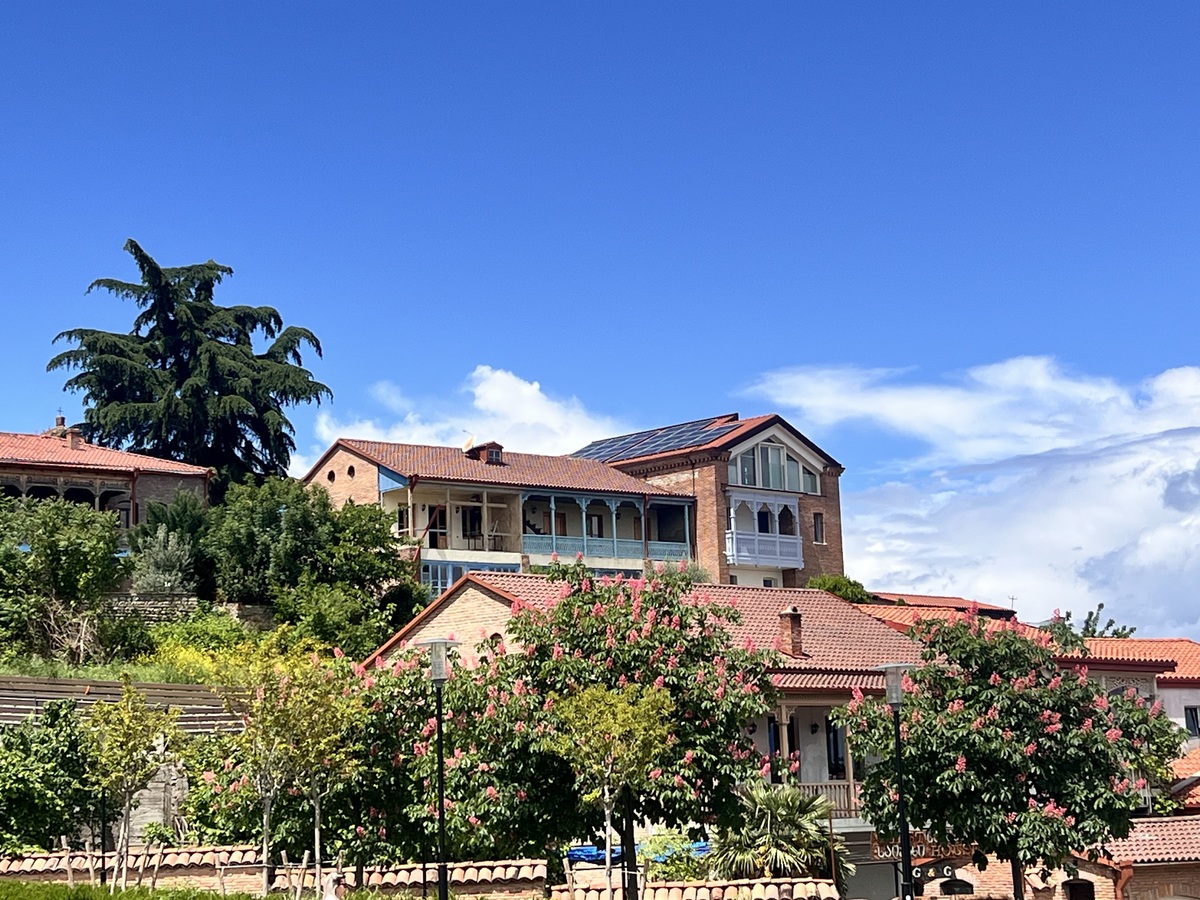
Telavi is the main town of Kakheti and the center of the region’s culture and wine industry. It has been inhabited since the Late Bronze Age and the town developed further during the Hellenistic period. By late antiquity, it had grown into a proper urban settlement. In the 17th century, King Erekle II made Telavi the capital of the Kingdom of Kakheti. During his reign, the town became a place of culture and learning, with schools, a theater and churches. Today, Telavi still shows this rich history. The main attractions of the city are: “Batonis Tsikhe” (King’s fortress) with the museum inside, the town center, a 1000-year-old plane tree and small streets with different architectural styles. Don’t miss out on the farmer’s market, full of seasonal fruits and vegetables, Georgian spices, snacks and all the local produce. The town is located on a slope of the Gombori mountain range and offers breathtaking views over the Alazani valley. Telavi is a perfect mix of history, culture and wine. It is a great starting point for exploring all of Kakheti. The Tsinandali Estate is located in the village of Tsinandali, Kakheti. It features the Alexander Chavchavadze House-Museum, a stunning garden and a distinctive 19th-century wine cellar. The palace belonged to the Chavchavadze noble family. Alexander Chavchavadze, who was a poet, brought the first grand piano and a pool table to Georgia and flourished the palace. The Tsinandali Garden spans 18 hectares and was designed by European architects. It features exotic plants from around the world and the famous Alley of Love, where couples who walk blindfolded are said to have a happy relationship. The Tsinandali Wine Cellar, built in 1835, is one of Georgia’s first to bottle wine in the European style. It holds about 16,500 bottles and marks the start of modern European-style winemaking in Georgia. Set in the middle of vast vineyards, Alaverdi Monastery stands tall and timeless. The grand cathedral was built in the 11th century and is one of Georgia’s oldest and most important religious sites. The monastery is still active and monks continue to make wine in clay jars – Qvevri, just like their ancestors did centuries ago. Surrounded by fields and open skies, Alaverdi gives you a deep sense of Georgia’s spiritual and agricultural roots. Visitors can explore the main cathedral, a great example of old Georgian architecture. Inside, the frescoes are still bright and show saints and stories from the Bible. The monastery grounds are quiet and full of history. You can see old mulberry trees and many old trees, which make the place feel calm. Many people enjoy walking around and looking at the vineyards and the Alazani Valley nearby. Outside the monastery, you can also taste traditional Georgian yogurt – Matsoni, made fresh in the area. A short drive from Alaverdi takes you to Gremi Fortress, the former center of the Kakheti region. The citadel of Gremi is the only part of the once glorious city that survived, the archangel complex. Built by King Levan of Kakheti in 16th century, it is beautifully decorated with frescoes. The fortress walls, even though partly ruined, still show how important Gremi was for defense. Don’t miss out on the complex museum, which gives visitors a better understanding of what the town looked like and vividly shows the importance of Gremi on the Silk Road. Walk along the citadel walls, now silent, yet once alive with farmers and merchants and try to imagine what life was like in 17th-century Gremi. Sighnaghi town in Kakheti sits on a hilltop overlooking the Alazani Valley. This small town is famous for its pastel-colored houses, cobblestone streets and restored fortress walls (Sighnaghi Wall), giving it a European-style charm while keeping its Georgian soul. As you wander through the town, you can stop at local cafes and buy souvenirs. From the fortress walls, you can enjoy stunning views of the Alazani Valley, making the town even more picturesque. Sighnaghi is often called the “City of Love”, as walking its quiet streets and dining on open terraces feels very romantic. The town also has a wedding house, so on your visit, you might even see a couple getting married, which adds to its charming and romantic atmosphere. One of the must-see places in the town is the museum, which has quite a large collection of Niko Pirosmani art. Pirosmani, being one of the most famous Georgian artists, was originally from the surroundings of Sighnaghi. Bodbe Monastery is one of the most sacred places in Georgia, located just a few kilometers from the lovely Sighnaghi. It is the burial place of Saint Nino, the woman who brought Christianity to Georgia in the 4th century, which makes it a very special and spiritual destination. Tall cypress trees surround the monastery and offer peaceful views over the Alazani Valley. Inside the complex, you can find a beautiful church, a quiet nunnery and the holy spring of Saint Nino, which many people believe has healing powers. When visiting Kakheti, Bodbe is a must-see place. It combines history, faith, and nature in one calm and inspiring setting where you can truly feel the spirit of Georgia. Kakheti is the main wine region of Georgia, here, vineyards stretch across the Alazani Valley, surrounded by mountains and endless sunshine. The region is famous for its diverse grape varieties, including Saperavi, Rkatsiteli, Kisi, Mtsvane and many more, which are used to produce both modern-style wines and traditional Qvevri wines, made using an ancient Georgian method where the wine is fermented and aged in large clay jars buried in the ground. This natural process gives the wine a unique flavor and a deep connection to the land. During the harvest season, usually in September and October, locals and visitors come together to pick grapes by hand. The harvest ends with a joyful Supra, a traditional Georgian feast filled with laughter, wine, and heartfelt toasts led by the tamada (toastmaster). Tables are covered with delicious Kakhetian dishes like juicy Mtsvadi (grilled meat), freshly baked Shotis puri (traditional bread), cheese, salads and Churchkhela, a sweet made from nuts and thickened grape juice. Kakheti is home to many local wineries, both small family-owned cellars and large, well-known producers such as Khareba, Shumi, Kindzmarauli and Tsinandali Estate. Everywhere you go, you’ll be welcomed with warm Georgian hospitality, wine tastings and stories about winemaking passed down through generations. David Gareja is a rock-hewn monastery complex located in the Kakheti region, about 1.5 hours from Tbilisi. It was founded in the 6th century by Saint David, one of the Assyrian monks and became an important spiritual and cultural center of Georgia. The complex is famous for its stunning desert landscapes, colorful Rainbow Mountains and breathtaking views. The unique red and yellow tones of the hills come from natural minerals like hematite and limonite, once used in the monastery’s medieval paintings. The main monastery, Lavra of David, is the easiest to reach. Inside, you can explore rock-cut churches, chapels, and the small cave where Saint David once lived. The area is also rich in wildlife and rare birds, making it an interesting destination for nature lovers. David Gareja lies on the border with Azerbaijan and some parts of the complex are not accessible due to the border line.