Грузия 01.04.2026 Все, что вам нужно знать о новых правилах найма иностранных работников в Грузии Тбилиси С 1 марта 2026 года Грузия значительно ограничила возможности трудоустройства для иностранных граждан. Теперь иностранным гражданам необходимо получить специальное разрешение на работу в стране. Это означает, что они, и особенно их работодатели, должны будут пройти бюрократические процедуры, оплатить необходимые сборы и дождаться одобрения от соответствующих органов. Им также придется повторять этот процесс каждый год. Премьер-министр Грузинской мечты: "Миграционный вопрос вызывает особую озабоченность в грузинском обществе" Может ли грузинская экономика выдержать политический кризис? Мнение экономиста В то же время иностранцам будет запрещено работать в некоторых секторах. К ним относятся пассажирские перевозки, курьерские услуги и экскурсоводство — области, в которых до сих пор трудилось наибольшее количество иностранных работников. Самозанятые лица также будут нуждаться в разрешениях на работу, включая фрилансеров и поставщиков различных услуг или товаров. Нарушение правил приведет к штрафам как для работодателя, так и для работника. Ранее решение о найме иностранного работника в Грузии принималось исключительно между частными сторонами, а государство только информировалось об этом позже. Теперь само государство будет решать, может ли иностранец быть нанят. Ограничения вытекают из поправок к Закону о трудовой миграции, который парламент Грузии принял в июне 2025 года. Правительственный указ, изданный 20 февраля 2026 года, затем установил подробные правила выдачи разрешений на работу. В этой статье мы, вместе с Саба Сутидзе, адвокатом Института толерантности и разнообразия, стремимся ответить на ключевые вопросы о новых правилах. Ключевое изменение — право на труд Главное новшество — требование получения специального разрешения на работу, называемого "правом на труд". Работать без такого разрешения незаконно и влечет за собой административную ответственность. Эти разрешения выдает государственное юридическое лицо — Государственное агентство поддержки занятости при Министерстве труда Грузии. Ранее иностранным гражданам не требовалось никаких специальных требований для работы в Грузии. Им необходимо было только легально находиться в стране. После найма работодателю просто нужно было внести данные работника в единую базу данных министерства. На кого распространяются изменения? Изменения касаются всех иностранных граждан, не имеющих постоянного места жительства в Грузии: иностранцы, нанятые местными работодателями; самозанятые иностранцы (предприниматели, фрилансеры); лица, занимающиеся предпринимательской деятельностью; те, кто работает удаленно на местного работодателя. Что такое вид на жительство? Постоянное проживание (разрешение на постоянное проживание) — это юридический статус, который позволяет иностранному гражданину жить в стране неограниченное время без получения гражданства. Он предоставляется супругам граждан Грузии, несовершеннолетним детям и родителям несовершеннолетних граждан Грузии. Он также предоставляется иностранцам, которые прожили в Грузии по временной визе в течение последних десяти лет. Время, проведенное...
Everything you need to know about Georgia’s new rules for hiring foreign workers
Everything you need to know about Georgia’s new rules for hiring foreign workers
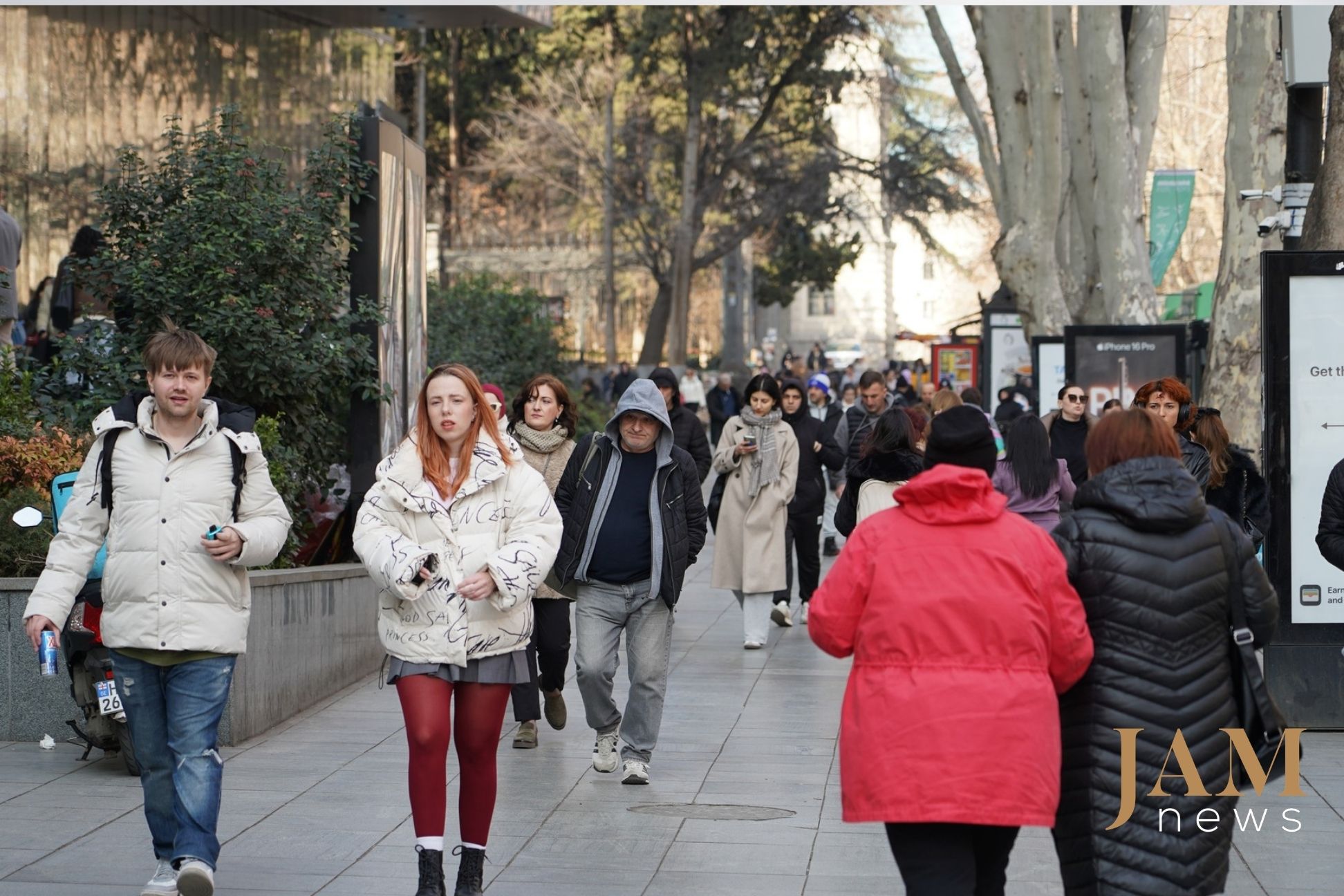
Georgia 01.04.2026 Everything you need to know about Georgia’s new rules for hiring foreign workers Tbilisi From 1 March 2026, Georgia has significantly restricted employment opportunities for foreign citizens. Foreign nationals must now obtain a special permit to work in the country. This means they—and especially their employers—will have to navigate bureaucratic procedures, pay required fees and wait for approval from the relevant authorities. They will also have to repeat this process every year. Prime minister of Georgian Dream: “The migration issue is of particular concern to Georgian society” Can Georgian economy withstand political crisis? Economist’s opinion At the same time, foreigners will be barred from working in certain sectors altogether. These include passenger transport, courier services and tour guiding—fields that have so far employed the largest number of foreign workers. Self-employed individuals will also need work permits, including freelancers and providers of various services or goods. Violating the rules will result in fines for both the employer and the employee. Previously, the decision to employ a foreign worker in Georgia rested solely between private parties, with the state only informed afterward. Now, the state itself will decide whether a foreigner can be employed. The restrictions stem from amendments to the Law on Labour Migration, which Georgia’s parliament adopted in June 2025. A government decree issued on 20 February 2026 then set out detailed rules for issuing work permits. In this article, we, together with Saba Sutidze, a lawyer at the Tolerance and Diversity Institute, aim to answer key questions about the new regulations. Key change — the right to work The main innovation is the requirement to obtain a special work permit, referred to as the “right to work”. Working without such a permit is illegal and carries administrative liability. A public legal entity—the State Employment Support Agency under Georgia’s Ministry of Labour—issues these permits. Previously, foreign citizens did not need any special requirements to work in Georgia. They only needed to stay in the country legally. After hiring, the employer simply had to enter the employee’s details into the ministry’s unified database. Who is affected by the changes? The changes apply to all foreign nationals who do not have permanent residence in Georgia: foreigners employed by local employers self-employed foreigners (entrepreneurs, freelancers) individuals engaged in business activities those working remotely for a local employer What is a residence permit? Permanent residence (a permanent residence permit) is a legal status that allows a foreign national to live in the country indefinitely without being a citizen. It is granted to spouses of Georgian citizens, minor children, and parents of minor Georgian citizens. It is also granted to foreigners who have lived in Georgia on a temporary residence permit for the past ten years. Time spent in the country for study or medical treatment, as well as time working in diplomatic services or equivalent missions, does not count toward this period. Permanent residence may also be granted to foreigners who hold an investment residence permit, provided they meet the required investment conditions for five years after obtaining it. An investment residence permit is issued to those who invest at least $300,000 in Georgia or own property in the country with a market value exceeding that amount. Who is considered a local employer? A local employer is defined as a legal entity registered in Georgia, an individual entrepreneur registered in Georgia, a partnership, a branch of a foreign organisation, or an individual legally residing in Georgia who employs a foreign national without permanent residence status. How does the law define a self-employed person? This is a new concept. A self-employed foreigner is defined as a citizen of another country who carries out work in Georgia for financial gain. This means the person is not in a traditional employer–employee relationship but instead provides services or supplies goods under a contract, operating within a business relationship. Why more foreign students choose to study in Georgia: stories and statistics Georgia has about 188,000 students in total, with foreign students accounting for 20%.