Северная Осетия–Алания: ФСБ в Владикавказе нацелилась на российского антивойного активиста в Грузии. Российский антивойный активист Роман Евсеев, проживающий в Грузии, заявил, что стал объектом давления со стороны сотрудников Федеральной службы безопасности (ФСБ) в Владикавказе после краткой поездки в Россию в декабре 2025 года. Его рассказ был опубликован правозащитным проектом "Первый отдел". По словам Евсеева, он покинул Россию летом 2022 года после начала полномасштабной войны против Украины и переехал в Грузию, где помогал украинским беженцам, а позже работал в частной школе. Он не возвращался в Россию до конца 2025 года, когда решил на один день поехать во Владикавказ, чтобы передать личные вещи знакомым. "Честно говоря, я не видел особых рисков", - сказал он. Он сообщил, что 23 декабря, пересекает границу на контрольно-пропускном пункте Верхний Ларс, его остановили пограничники. После проверки документов его отвели в отдельную комнату, обыскали и confiscировали его телефон и паспорт, передав затем сотрудникам ФСБ. "Первый сотрудник ФСБ был не в форме, не представился и не показал никаких документов. Он сразу начал с угроз. Он сказал что-то вроде: теперь вас отправят отсюда на 'специальную военную операцию' к вашим любимым украинцам, вы будете лежать там с ними", - утверждает Евсеев, имея в виду официальный российский термин для обозначения своей полномасштабной войны. Он также сказал, что сотрудники показали ему видео с антивойного митинга в Тбилиси, на котором он присутствовал, и потребовали указать других участников. Во время допроса у него были сняты отпечатки пальцев, фотографии и биологические образцы, добавил Евсеев. После нескольких часов в пограничном учреждении Евсееву вернули его документы и разрешили войти в Россию. Он поехал во Владикавказ и остался на ночь, но на следующий день, по его словам, с ним снова связались сотрудники ФСБ. "Я получил звонок с неизвестного номера. Мужчина представился как сотрудник ФСБ и сказал: 'Мы подошли к вашей квартире, нас встретила только женщина, где вы?'. Для меня это был момент настоящего террора", - сказал он. По словам Евсеева, он согласился встретиться с ними, после чего его отвезли в управление ФСБ по Северной Осетии–Алании, где его снова допросили. Он говорит, что сотрудники спрашивали о его деятельности в Грузии, включая контакты с украинскими гражданами, и обсуждали его участие в антивойных протестах. "Он сказал, что у них достаточно материалов для нескольких уголовных дел против меня и что мне следует начать с ними 'правильно' разговаривать", - сказал Евсеев. По его словам, затем его попросили сотрудничать с ФСБ. "Он сказал: вы вернетесь в Грузию. Но если вы уедете, вы можете не вернуться", - утверждает Евсеев. Евсеев сказал, что под давлением согласился написать от руки заявление о 'добровольном конфиденциальном сотрудничестве' и выбрать псевдоним. "Мне пришлось написать это от руки и выбрать псевдоним. Я выбрал имя Иван", - сказал он.
FSB in Vladikavkaz targets Russian anti-war activist in Georgia
FSB in Vladikavkaz targets Russian anti-war activist in Georgia
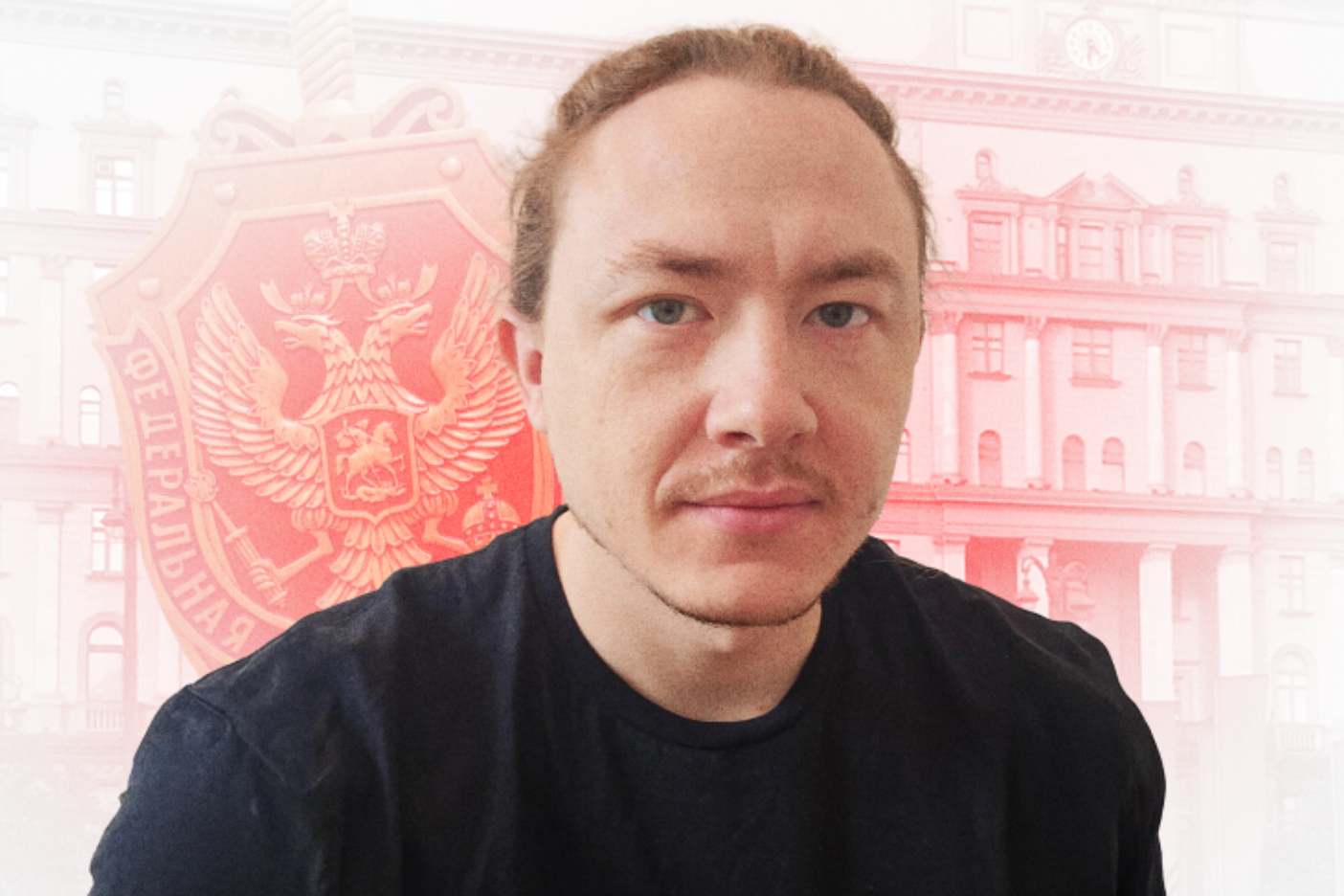
North Ossetia–AlaniaFSB in Vladikavkaz targets Russian anti-war activist in Georgia 2 min read Russian anti-war activist Roman Evseev, who resides in Georgia, has said he was subjected to pressure by Federal Security Service (FSB) officers in Vladikavkaz after a brief trip to Russia in December 2025. His account was published by the human rights project First Department. According to Evseev, he left Russia in the summer of 2022 after the outbreak of the full-scale war against Ukraine and moved to Georgia, where he volunteered to help Ukrainian refugees and later worked at a private school. He did not return to Russia until late 2025, when he decided to travel to Vladikavkaz for one day to hand over personal belongings to acquaintances. ‘I did not see any particular risks, to be honest’, he said. He said that on 23 December, while crossing the border at the Upper Lars checkpoint, he was stopped by border guards. After checking his documents, he was taken to a separate room, searched, and had his phone and passport confiscated before being handed over to FSB officers. ‘The first FSB officer was not in uniform, did not introduce himself, and did not show any documents. He immediately began with threats. He said something along the lines of: now they will send you from here to the “special military operation” to your beloved Ukrainians, you’ll be lying there with them’, Evseev claims, referring to the official Russian term for its full-scale war. He also said that officers showed him videos from an anti-war rally in Tbilisi that he had attended and demanded that he identify other participants. During the questioning, his fingerprints, photographs, and biological samples were taken, Evseev added. After several hours at the border facility, Evseev was returned his documents and allowed to enter Russia. He travelled to Vladikavkaz and stayed overnight, but the following day, he says, FSB officers contacted him again. ‘I received a call from an unknown number. A man introduced himself as an FSB officer and said: “We have come up to your flat, only a woman met us there, where are you?” For me, that was a moment of real terror’, he said. According to Evseev, he agreed to meet them, after which he was taken to the FSB directorate for North Ossetia–Alania, where he was questioned again. He says officers asked about his activities in Georgia, including contacts with Ukrainian citizens, and discussed his participation in anti-war protests. ‘He said they had enough material for several criminal charges against me and that I should start speaking to them properly’, Evseev said. According to him, he was then asked to cooperate with the FSB. ‘He said: you will return to Georgia. But if you leave, you may not come back’, Evseev claims. Evseev said that under pressure he agreed to write, by hand, a statement of ‘voluntary confidential cooperation’ and to choose a pseudonym. ‘I had to write it out by hand and choose a pseudonym. I chose the name Ivan’, he said. After that, he says, he was released and travelled to Mineralnye Vody, from where he flew to Georgia on 26 December. He later decided to leave the country and moved to Montenegro, citing safety concerns. Evseev also described what he believes were subsequent troubling incidents. In particular, he said that a friend of his in Georgia told him she had received a call from someone she had not heard from in a long time. The person asked her about her attitudes towards Russia. He also said that he received messages from unknown users with Russian numbers on Telegram. ‘I cannot say for certain that this was the security services, but nothing like this had happened in the previous three years’, he said. North Ossetia–Alania North Caucasus Russia Georgia Elizaveta Chukharova • Follow 596 articles•0 Followers Liza was born and raised in Vladikavkaz and now lives in Prague. She has previously worked for RFE/RL, ASTRA, Belsat, and others. She is currently completing her Master's degree in Russian Studies at Charles University in Prague, specialising in the study of military and inter-ethnic conflicts in the North Caucasus. In her free time, Liza shoots feature films, writes about cinema, and travels — she has visited exactly 50 countries and is not going to stop there.
ПОХОЖИЕ НОВОСТИ