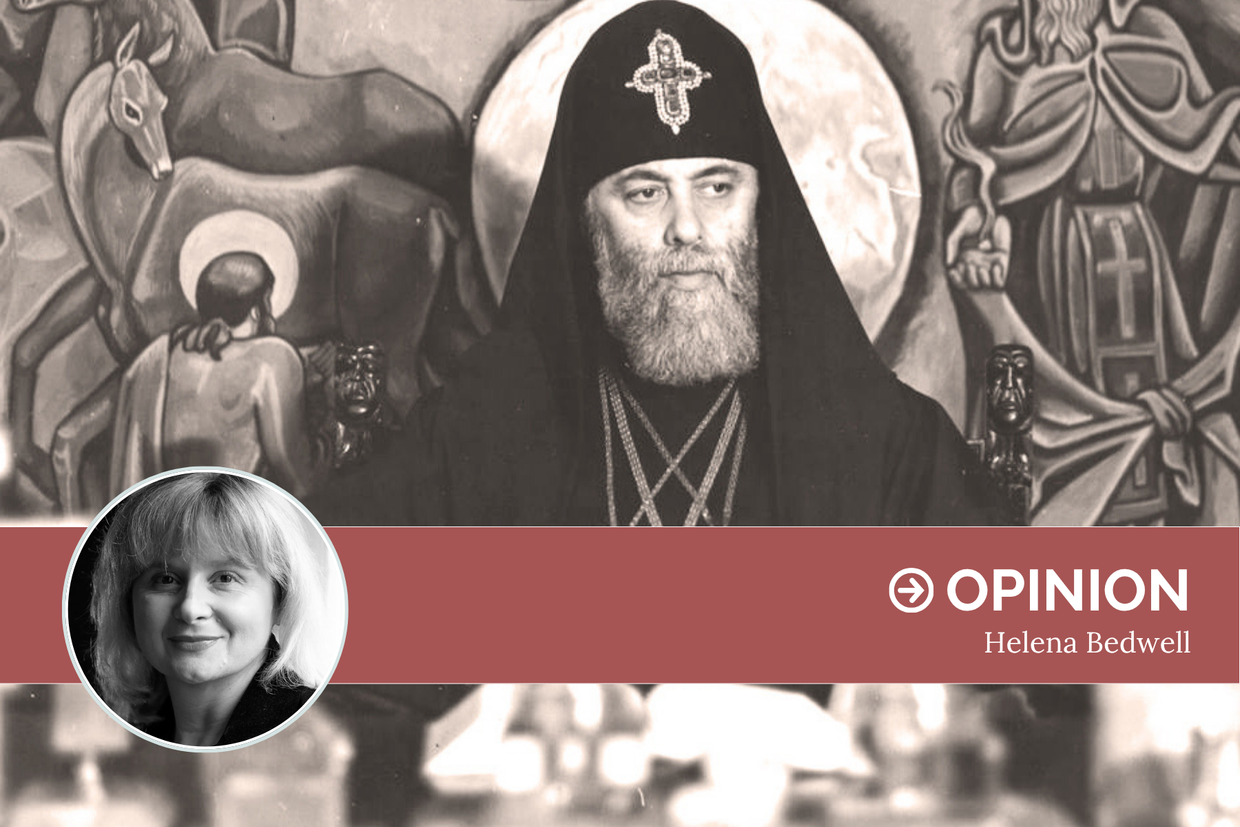
Илия IIМнение | Размышления о сложном наследии Патриарха Илии IIМноголетний глава Грузинской православной церкви оставил после себя «эпохальное, уникальное и противоречивое» наследие. Архивное фото.Прохладной весенней ночью 9 апреля 1989 года десятки тысяч грузин, в основном молодых людей, вновь собрались у Дома правительства Грузинской ССР — ныне здания парламента в Тбилиси — требуя независимости. Они демонстрировали там несколько дней, ночуя с одеялами и подушками — но нарастающая напряженность наконец достигла критической точки.Именно в эту ночь седобородый Патриарх Грузинской православной церкви Илия II прибыл на место событий, тепло встреченный лидерами протеста. Ему передали микрофон, чтобы обратиться к толпе, призывая людей покинуть территорию из-за надвигающейся опасности. Кадры, снятые на ручную камеру в ночной темноте, дрожат, а звук слабый, однако разговоры достаточно ясны: Илия II приглашает протестующих перейти через улицу в церковь Кашвети вместо того, чтобы погибнуть от рук советской российской армии.
«Если мы уйдем, нас назовут предателями», — говорит Звиад Гамсахурдия, один из видных лидеров сопротивления и впоследствии первый демократически избранный президент Грузии.
«Возможно, они будут стрелять», — говорит Илия II.
«Пусть стреляют», — говорит другой лидер протеста, Мераб Костава. Он погибнет позже в том же году в подозрительной автокатастрофе. «Это же великолепный момент, вы понимаете».
«Останетесь ли вы с нами, Отец?», — спрашивает третий, неизвестный голос.
Илия II молчит.
Это одно из моих самых ранних воспоминаний — точнее, одно из самых ранних политических воспоминаний, сохранившихся до подросткового возраста, когда я проснулась на следующее утро, и мои родители рассказали мне о том, что произошло ранним утром: ядовитый газ, маленькие военные лопатки, использовавшиеся для того, чтобы сокрушить не только тела, но и дух, 21 погибший, тысячи раненых и отравленных.
Несмотря на то, что я выросла в
Ilia IIOpinion | Reflecting on the complex legacy of Patriarch Ilia IIThe long-serving head of the Georgian Orthodox Church has left behind an 'epochal, unique, and contradictory' legacy. 5 min read Ilia II. Archival photo.On the cool, spring night of 9 April 1989, tens of thousands of Georgians, the majority young people, gathered once again outside the House of Government of the Georgian SSR — now the parliament building in Tbilisi — demanding independence. They had been demonstrating there for days, spending the night with blankets and pillows — but the rising tensions were finally coming to a breaking point.It was this night that the white-bearded Patriarch of the Georgian Orthodox Church, Ilia II, arrived on the scene, warmly greeted by protest leaders. He was handed a microphone to address the crowds, urging them to leave the area due to imminent danger. The footage, filmed on a handheld camera in the darkness of night, is shaky and the audio faint, yet the conversations are clear enough: Ilia II is inviting protesters to cross the street to Kashveti Church instead of dying at the hands of the Soviet Russian army.
'If we leave, we will be called traitors', Zviad Gamsakhurdia, one of the prominent leaders of the resistance and later Georgia's first democratically elected president, says.
'It is possible they will shoot', Ilia II says.
'Let them', another protest leader, Merab Kostava, says. He would die later that same year in a suspicious car crash. 'There is this magnificent moment, you know'.
'Will you stay with us, Father?', a third, unknown voice, asks.
Ilia II remains silent.
These are among my earliest memories — or rather, among the earliest political memories carried into my teenage years, when I woke up the next morning and my parents told me what had happened early that morning: poisonous gas, small military shovels used to crush not only bodies but spirits, 21 people killed, thousands wounded and poisoned.
Despite growing up in the s