Обзор | Так говорил ветер — армянская драма, которая предпочитает искусство содержанию от Xandie (Александра) Кюнинг ★★☆☆☆Последний фильм российского режиссера Марии Ригель разочаровывающе медленно исследует армянское общество, которое больше непонятно, чем поучительно. Уроженка Москвы Мария Ригель (ранее известная как Мария Батова) прибыла в Армению в 2022 году, после полномасштабного вторжения своей страны в Украину. Первоначально попав в сельскую деревню под Ереваном, она была вдохновлена «местной культурой, людьми и природой» для создания полнометражного фильма, отмечая в интервью 2025 года с Klassiki, что «с первых дней в Армении я имела странное чувство, что знала это место долгое время.
Психология местных жителей также кажется знакомой, так как это часть постсоветского пространства». Олицетворяя вдохновение легендарного кавказского режиссера Сергея Параджанова, а также столь же известного русского режиссера Александра Сокурова, Ригель пытается создать выдающуюся драму, исследуя гендерные роли и семейные связи. К сожалению, фильм не оправдывает эти цели, вместо этого являясь непонятным примером искусства, а не содержания.
Так говорил ветер сегментирован на три части, каждая открывается сценой, снятой через ночное видение охотничьей винтовки. Первая из этих сцен вводит Хайка (Альберт Бабаян), тихого молодого мальчика, которого задирают сверстники в попытке сделать из него настоящего армянского мужчину. Хотя, возможно, это не самая счастливая жизнь, кажется, что он и его тетя Нарины (Лусине Аванесян), менеджер местной фабрики лаваша, нашли для себя место.
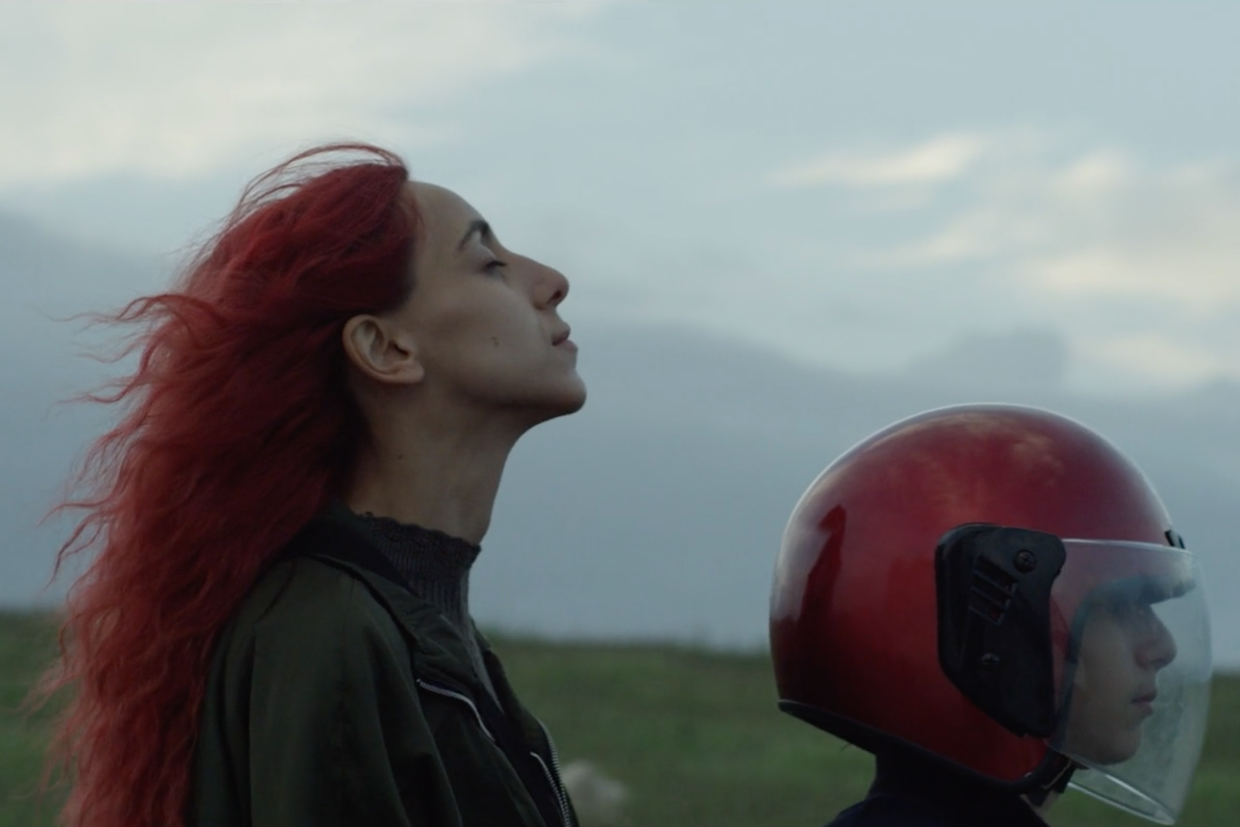
Тем не менее, любое чувство равновесия нарушается, когда сестра Нарины и настоящая мать Хайка Анаит (Анника Абрахамян) возвращается в деревню. Прибыв посреди ночи с яркими рыжими волосами и оставив своего сына много лет назад, становится ясно, что Анаит не вписывается в стереотип традиционной хорошей армянской женщины. Вскоре деревня начинает противостоять ей — местные мальчики, с Хайком на заднем сиденье, преследуют Анаит по сельской дороге; рабочие на фабрике лаваша, где теперь работает Анаит, обвиняют её в краже их вещей; мать стыдит Нару за то, что она не остановила Анаит от сексуальных отношений с её сыном.
Ситуация в конце концов достигает кульминации между сёстрами, что приводит к непонятному концу, намекающему на насилие и секреты, хранящиеся между членами семьи. Однако никакого истинного завершения не приходит. Подписывайтесь на Культурный выпуск — двухнедельная рассылка, в которой представлены рекомендации по фильмам, книгам и музыке из Кавказа, отобранные нашей командой.
Действительно, многое из происходящего на протяжении фильма не видно зрителю, что являет собой явный отклик на одну из первых реплик Хайка: «Говорят, это может быть невидимо. Вещи, которые не могут быть увидены человеческими глазами». Споры происходят за кадром, только звуки разбитого стекла или оскорбительные слова, перекидываемые из стороны в сторону, намекают на возможность насилия.
Персонажи прыгают от...
Reviews Review | Thus Spoke the Wind — an Armenian drama that favours art over substanceby Xandie (Alexandra) Kuenning ★★☆☆☆Russian director Maria Rigel’s latest film is a disappointingly slow-moving look at Armenian society that is more incomprehensible than enlightening.Moscow-native Maria Rigel (who has previously been known as Mariya Batova) arrived in Armenia in 2022, following her country’s full-scale invasion of Ukraine.Having first landed in a rural village outside Yerevan, she was inspired ‘by the local culture, people, and nature’ to create a feature film, noting in a 2025 interview with Klassiki that ‘from my first days in Armenia, I had the strange feeling that I had known this place for a long time. The psychology of local people also feels familiar since it’s part of the post-Soviet space’.Ostensibly inspired by the legendary Caucasian filmmaker Sergei Parajanov, as well as similarly famed Russian filmmaker Aleksandr Sokurov, Rigel attempts to create a distinguished drama examining gender roles and familial ties. Unfortunately, the film falls short of these aims, instead acting as an inscrutable example of art over substance.Thus Spoke the Wind is segmented into three sections, each opening with a scene shot through the night-vision lens of a hunting rifle.The first of these shots introduces Hayk (Albert Babajanyan), a quiet young boy who is bullied by his peers in an attempt to toughen him up into a real Armenian man.
While perhaps not the happiest life, it seems he and his aunt Narine (Lusine Avanesyan), the manager of a local lavash factory, have carved out a space for themselves. Any sense of equilibrium is shaken, however, when Narine’s sister and Hayk’s real mother Anahit (Annika Abrahamyan) returns to the village Arriving in the middle of the night with vibrant red hair, and having left her son years before, it is clear Anahit does not fit the stereotype of a traditional, good Armenian woman. Soon enough, the village begins to turn on her — the local boys, with Hayk in the backseat, chase Anahit down a country road; workers at the lavash factory, where Anahit now works, accuse her of stealing their belongings; a mother shame Narine for not stopping Anahit from having sexual relations with her son.Things eventually reach a climax between the sisters, leading to an opaque ending hinting at violence and the secrets kept among family members.
Yet no true conclusion ever comes.Subscribe to the Culture Dispatch A bi-weekly newsletter featuring film, book, and music recommendations from the Caucasus, handpicked by our team.Indeed, much of what happens throughout the film is not visible to the audience, an apparent call back to one of Hayk’s first lines: ‘They say it can be invisible. Things that can’t be seen by human eyes’. Arguments happen off-screen, with only the sounds of smashing glass or insulting words thrown back and forth hinting at the possibility of violence.
Characters jump from one location to another, time passing in waves with no clarity whether scenes are hours or days apart, each scene structured as a lingering tracking shot of a specific character.Though the film’s runtime is only 90 minutes, these film-making choices create the feeling of a much longer work, one that drains the viewer rather than invigorates them.Indeed, the most memorable and exciting aspect of Thus Spoke the Wind is the score by American composer Steve Brand. The haunting composition, featuring traditional Armenian wind instruments, lingers in the mind long after the film’s conclusion.While touching upon a number of important aspects within Armenian society — from a woman’s right to her own sexuality and the effects of toxic masculinity — the film spends too much time avoiding any actual depth over surface-level examples, creating a piece muddled patchwork of a film that is more incomprehensible than enlightening.Film details: Thus Spoke the Wind (2025), directed by Maria Rigel. The film is currently available to stream on Klassiki.
Reviews Armenia Culture In Focus Cinema Xandie (Alexandra) Kuenning • Follow171 articles•0 Followers After years in academia, Xandie returned to Georgia to join OC Media. Her previous work with non-profits focused on Eurasian affairs, particularly queer and gender rights and green politics. She’s also a fan of foreign cinema, tea, and books (but not spilling tea on books).